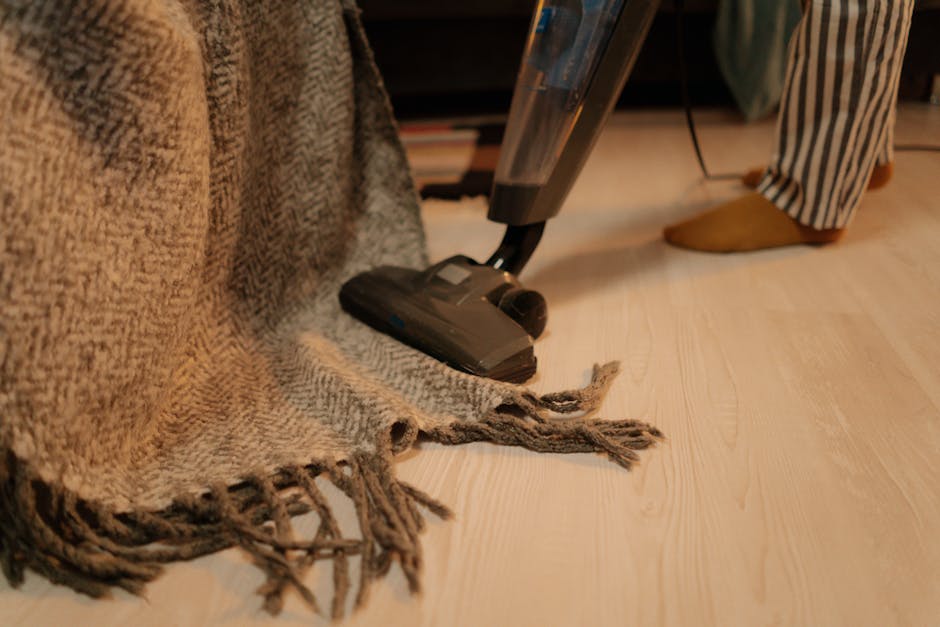
Burnt Oak Broadway carpet cleaning guide for HA8 homes
If you live near Burnt Oak Broadway and your carpets are starting to look a bit tired, you're not alone. HA8 homes deal with everyday wear in a very ordinary way: muddy shoes after a wet commute, hallway traffic, pet accidents, spilt tea, and that stubborn dull patch by the sofa that seems to appear almost overnight. This Burnt Oak Broadway carpet cleaning guide for HA8 homes is here to make the whole process clearer, calmer, and much more practical.
Whether you're deciding between DIY cleaning and a professional visit, trying to understand steam cleaning, or just want to protect a carpet you paid good money for, you'll find straight answers here. No fluff. Just the kind of guidance that helps you make a sensible choice, especially if you want a cleaner home without turning your weekend into a chemistry experiment.
- Why this matters for HA8 homes
- How carpet cleaning works
- Key benefits and practical advantages
- Who needs it and when it makes sense
- Step-by-step guidance
- Expert tips for better results
- Common mistakes to avoid
- Tools, resources and recommendations
- Law, compliance and best practice
- Options and comparison
- Real-world example
- Practical checklist
- Conclusion
- Frequently asked questions
Why Burnt Oak Broadway carpet cleaning guide for HA8 homes Matters
Carpets do more than soften a room. They affect how clean a home feels, how it smells, and even how long a space stays pleasant to live in. In HA8 homes, especially around busy roads and high-footfall areas like Burnt Oak Broadway, carpets tend to collect grit faster than people expect. Fine dust from outside gets worked deep into the fibres, and once that happens, vacuuming alone only goes so far.
This matters because ground-in dirt is abrasive. Over time, it can wear down carpet fibres and make the pile look flattened or patchy. You may notice it most in hallways, entrance areas, stairs, and living rooms. The carpet still works, of course, but it can stop looking inviting. And let's face it, nobody wants to walk into a room and feel the floor is quietly judging them.
There is also the comfort side. Clean carpets can make a home feel fresher, especially in smaller properties where smells linger. Cooking aromas, pets, and everyday moisture all settle into soft furnishings. That is why a proper cleaning routine is not just about appearance; it is about keeping the home pleasant to live in, week after week.
If you are comparing options, the service page for professional carpet cleaning is a useful place to understand what a specialist clean typically covers.
How Burnt Oak Broadway carpet cleaning guide for HA8 homes Works
Carpet cleaning is really about three things: loosening soil, lifting it out, and drying the carpet properly so nothing is left behind to attract more dirt. Different methods do this in different ways, but the workflow is fairly similar.
First, the carpet is assessed. A good cleaner looks at the fibre type, the amount of wear, the visible stains, and any problem areas such as pet odours or heavy traffic lanes. This matters because wool, synthetic fibres, and blended carpets all behave differently. Use the wrong approach, and you can end up with over-wetting, browning, or a patchy finish. Not ideal.
Next comes pre-treatment. This might involve a mild solution to loosen general soil or a targeted approach for stains. A common misconception is that cleaning solution alone does the work. It doesn't. The solution helps break the bond between dirt and fibre. The real lift comes from agitation and extraction.
Then the chosen method is applied. Many homes benefit from hot water extraction, often called steam cleaning in everyday conversation, though the process is not literally just steam. If you want a deeper look at that method, the page on steam carpet cleaning explains the approach in more detail.
Finally, drying. This is where a lot of DIY jobs go wrong. If the carpet is left too damp, you can get slow drying, musty smells, or reappearing marks. Good ventilation, sensible moisture use, and correct extraction are key. Simple, but not always easy in a typical London home where windows may stay shut in colder months.
Key Benefits and Practical Advantages
A well-cleaned carpet gives you more than a nicer photo for the hallway. It changes how the whole home feels.
- Improved appearance: traffic lanes lighten, fibres stand up better, and colours often look more even.
- Better hygiene: everyday dirt, crumbs, pollen, and residues are removed more effectively than with routine vacuuming.
- Odour reduction: carpets stop holding onto that faint stale smell that builds up slowly, almost invisibly.
- Longer carpet life: removing abrasive grit helps reduce wear on the fibres.
- Better comfort: clean pile feels softer underfoot, which you really notice in bedrooms and lounges.
There is also a practical money angle. Replacing a carpet is much more expensive than maintaining it. In many HA8 homes, especially family homes or rented properties, regular cleaning can help keep a floor covering presentable for longer. Not glamorous, but sensible.
If your carpets are part of a larger home refresh, you might also consider upholstery cleaning or sofa cleaning so the room feels consistent rather than half-done.
Who This Is For and When It Makes Sense
This guide is useful if you live in a flat, terrace, maisonette, or family home around Burnt Oak Broadway and you're dealing with one of the following:
- noticeable traffic marks in hallways or living rooms
- spilled drinks or food stains
- pet smells or pet-related marks
- dusty carpets after renovation work or moving furniture
- allergies that make a cleaner home feel more comfortable
- a rental inspection, sale, or end-of-tenancy handover coming up
It also makes sense if you have recently deep-cleaned the rest of the home but the carpet still looks flat or grey. That is usually the giveaway. The room may be tidy, but the floor is quietly holding the story of the last two years.
Families with children and pets tend to need carpet cleaning more often than people expect. So do homes where the front door opens straight into the main living space. In those cases, grit and moisture come in with every trip outside. Small input, big effect.
For heavier pet-related issues, it can help to look at pet stain and odour removal rather than assuming a standard clean will solve everything.
Step-by-Step Guidance
If you're planning a carpet clean yourself or preparing for a professional visit, a simple process keeps things manageable.
- Inspect the carpet carefully. Look for stains, worn patches, loose threads, and areas that stay damp longer than others.
- Vacuum thoroughly. Go slowly. A quick pass misses a lot. Lift dry grit before any moisture is introduced.
- Test any cleaning product. Use a hidden corner first. This is especially important for wool or older carpets.
- Pre-treat the worst spots. Apply stain treatment only where needed, and use it sparingly.
- Choose the right method. Light soiling may only need a gentle clean. Heavy soiling usually needs deeper extraction.
- Work in sections. That keeps drying even and avoids trampling wet fibres too early.
- Extract as much moisture as possible. This is one of the biggest differences between a decent job and a frustrating one.
- Ventilate the room. Open windows if practical, use airflow, and avoid heavy foot traffic until dry.
- Check the result once dry. Stains can sometimes show their true colour later, especially if they were only partially removed.
A useful local habit: clean near the entrance first and then move deeper into the room. That reduces the amount of dirt carried back across already cleaned areas. It sounds obvious. Still gets missed.
Expert Tips for Better Results
Here are the details that usually make the biggest difference.
- Vacuum before stain treatment. Loose debris should never be rubbed into a damp patch.
- Blot, don't scrub. Scrubbing can distort fibres and spread the stain.
- Use less solution than you think. More liquid does not mean better cleaning. Often it means slower drying and extra residue.
- Watch for wicking. A stain can look gone, then reappear as the carpet dries. That usually means the soiling was deeper than the surface.
- Deal with high-traffic lanes differently. Those zones often need more agitation than open areas.
- Keep furniture legs protected. Small foil pads or blocks help avoid rust marks and pressure dents while the carpet dries.
One small but useful trick: clean when the home can breathe. A mild spring morning or a dry afternoon is much kinder than a stuffy evening with all the windows closed. You will notice the difference in drying time almost immediately.
If your focus is on a specific stain rather than the whole carpet, stain removal guidance can be a better fit than a general clean.
Common Mistakes to Avoid
Most carpet cleaning problems are caused by rushing. That's the honest version.
- Using too much water: this leaves carpets soggy and can pull dirt deeper into the backing.
- Scrubbing aggressively: it damages fibres and can make a stain spread.
- Skipping vacuuming: dry dirt turns into muddy residue once wet.
- Mixing products: that can create sticky residue or, in some cases, unsafe fumes. Keep it simple.
- Cleaning only the stain: spot-cleaning one patch can leave the rest of the carpet looking obviously different.
- Ignoring drying: damp carpets attract dirt faster and can smell stale.
Another common mistake is expecting one pass to fix a very old or deep stain. Some marks have been there a while. Truth be told, a sensible cleaner will tell you when improvement is likely rather than promising magic.
For rugs, the stakes can be different again. Delicate constructions and dye sensitivity make rug cleaning a separate consideration, not just a smaller version of carpet cleaning.
Tools, Resources and Recommendations
You don't need a van full of equipment to keep carpets in good shape, but the right basics help a lot.
| Tool or approach | Best for | Practical note |
|---|---|---|
| Vacuum cleaner with a proper brush head | Routine maintenance | Slow passes remove more grit than quick back-and-forth moves. |
| Microfibre cloths | Blotting spills | Useful for first response, especially on drinks and food stains. |
| Carpet cleaning machine | Deep cleaning at home | Works best when used carefully and with enough extraction power. |
| Targeted stain treatment | Specific marks | Always test first in a hidden area. |
| Professional service | Heavy soiling, odours, delicate fibres | Usually the safer choice when the carpet is valuable or the stain is stubborn. |
For many homes, the best recommendation is not choosing one method forever. It's using the right method for the job. A light refresh in between deeper cleans can keep the carpet looking good without over-treating it.
If your home has more than one fabric surface needing attention, curtain cleaning and mattress cleaning can also make the room feel much fresher overall.
Law, Compliance, Standards, or Best Practice
Carpet cleaning in a domestic home is not a heavily regulated activity in the way some specialist trades are, but there are still important best-practice expectations. A careful cleaner should work safely, use products appropriately, and avoid creating unnecessary risk to occupants, pets, or surfaces.
In the UK, it is sensible to expect the following:
- clear explanation of what cleaning method is being used
- careful handling of cleaning solutions and equipment
- appropriate attention to ventilation and drying
- awareness of delicate fibres, dyes, and moisture-sensitive flooring
- reasonable communication about limitations, especially on older or damaged carpets
If you are hiring a service, it is also reasonable to ask about insurance, safety measures, and what happens if a stain is not fully removable. That kind of transparency matters. The pages on insurance and safety and the health and safety policy are useful if you want to understand the kind of standards a responsible provider should follow.
For payments, quotes, and how expectations are set, the site's pricing and quotes and payment and security pages are worth checking before you book anything. Calm, boring admin. But important.
Options, Methods, or Comparison Table
If you're trying to decide what type of clean suits your home, this simple comparison helps.
| Method | Best use | Strengths | Limitations |
|---|---|---|---|
| Vacuum-only maintenance | Weekly upkeep | Fast, cheap, and good for surface debris | Will not remove embedded soil or old stains |
| Spot treatment | Single spills or fresh marks | Practical and immediate | Can leave a visible difference if the rest of the carpet is dirty |
| DIY deep clean | Light to moderate soiling | Flexible and budget-friendly | Risk of over-wetting and uneven results |
| Professional extraction | Heavy traffic, odours, older carpets | Deeper clean, better moisture control, more even finish | Costs more than doing it yourself |
In practice, many HA8 households use a mixed approach: vacuum regularly, treat spills quickly, and book a deeper clean when the carpet starts to lose its brightness. That balance is usually the sweet spot.
Case Study or Real-World Example
A typical Burnt Oak Broadway home might be a two-bedroom flat with a hallway runner, a living room carpet, and a couple of high-traffic areas near the front door and the kitchen entrance. Over time, the hallway turns a shade darker than the rest of the carpet. It is not dramatic, just enough to make the flat feel a little less fresh.
In that sort of scenario, a sensible approach is:
- vacuum thoroughly first
- pre-treat the entrance marks
- deep clean the hallway and living room together so the finish looks even
- allow proper drying before moving furniture back
What usually surprises people is how much brighter the room looks after the clean. Not because the carpet was black with dirt, but because the old film of dust and wear had quietly dulled everything. It can feel like someone has turned the lights up a notch. A small thing, really, but a nice one.
If the same home also has worn sofa arms or tired seating, combining the visit with upholstery cleaning can make the whole space feel more coherent.
Practical Checklist
Use this before, during, or after cleaning.
- Check the fibre type if you know it
- Vacuum slowly and thoroughly
- Identify stains before adding moisture
- Test products in a hidden corner
- Use the least amount of liquid needed
- Ventilate the room well
- Keep pets and children off damp carpets
- Move furniture only when the carpet is properly dry
- Inspect for any stains that reappear while drying
- Book a deeper clean if traffic marks keep returning quickly
Expert summary: the best carpet cleaning result is usually not the most aggressive one. It is the one that matches the carpet, the stain, and the room. Gentle where possible, stronger where needed, and patient about drying.
Get a free quote today and see how much you can save.
Conclusion
Carpet care in HA8 doesn't have to be complicated. Around Burnt Oak Broadway, the real challenge is usually a mix of daily foot traffic, weather, and the simple fact that carpets quietly collect more than we notice. Once you understand how cleaning works, what mistakes to avoid, and when a professional approach makes more sense, the whole decision gets easier.
Take the practical route: maintain carpets regularly, treat spills quickly, and don't wait until the floor looks obviously tired. A bit of care goes a long way. And if you do need a deeper clean, choose a method that suits the carpet rather than forcing a one-size-fits-all fix. That is where the best results usually come from.
For more about the company behind these services, you can also review about us, or if you want to raise a question directly, use the contact us page. If you'd like to understand how the business handles sustainability in everyday operations, the recycling and sustainability page is worth a look too.
In the end, a cleaner carpet is not just about looks. It is about walking into the room and feeling, even quietly, that the home is looked after.
Frequently Asked Questions
How often should HA8 homes have carpets professionally cleaned?
That depends on foot traffic, pets, children, and how quickly the carpet shows wear. Many homes benefit from a deeper clean every 6 to 12 months, but busy households may need it more often. If the hallway looks dark before the rest of the home, that is usually your clue.
Is steam carpet cleaning safe for most carpets?
Usually yes, but only when the method is matched to the fibre type and the carpet is not over-wet. Delicate or antique carpets may need a different approach. A proper inspection before cleaning is the safest way to avoid problems.
Can I clean a carpet myself instead of booking a professional?
You can, especially for light soil or small fresh spills. The risk is over-wetting, residue, or spreading a stain. DIY works best for maintenance. For heavy traffic marks, older carpets, or persistent odours, a professional clean is often the better call.
Why does a stain sometimes come back after cleaning?
That is often called wicking. Dirt or liquid sits deeper in the carpet and moves back to the surface as the fibres dry. It is common with old spills, especially if too much water was used the first time.
What should I do before a carpet cleaner arrives?
Vacuum the area, move small items off the floor, point out any stubborn stains, and mention pets or previous treatments. If you can, keep the room accessible and make sure there is room for equipment. Simple prep saves time and helps the clean go more smoothly.
Do carpet cleaning services also help with pet smells?
Sometimes they do, but strong pet odours often need targeted treatment. Standard carpet cleaning removes surface soil and some odour, while more persistent issues may need a specific odour-focused process.
Will carpet cleaning make my home smell damp?
It shouldn't if the carpet is cleaned correctly and allowed to dry well. A lingering damp smell usually points to too much moisture or poor ventilation. Good airflow matters more than people think.
Are hallway carpets in Burnt Oak Broadway homes more difficult to clean?
They can be, simply because they get more grit and repeated foot traffic. Hallways often need more attention than bedrooms because the soil is more compacted and the wear is more obvious. They are usually the first place to show the difference.
How do I know if a carpet needs deep cleaning or just spot cleaning?
If only one fresh mark is present, spot treatment may be enough. If the whole carpet looks dull, grey, or flattened, or if several areas are affected, a full deep clean makes more sense. One small stain is a spot problem; a tired overall look is a whole-carpet problem.
Is it worth cleaning carpets before moving out of a rental property?
Yes, often it is. A clean carpet can improve the presentation of the property and reduce the chance of avoidable disputes about cleanliness. Just make sure the method is suitable and that drying time is built in before handover.
Can carpet cleaning help with allergies?
It can help reduce dust, pollen, and trapped debris, which may make the home feel fresher. It is not a medical treatment, of course, but cleaner carpets can support a cleaner indoor environment. Many people notice the difference most in bedrooms and living rooms.
What is the biggest mistake people make with carpet cleaning?
Trying to fix everything with too much water and too much scrubbing. That usually creates more issues than it solves. Gentle, controlled cleaning almost always produces a better result than a rushed soak-and-scrub approach.